When you stretch a resistance band, you probably don't think about the 7-step manufacturing process that created it. But if you're sourcing bands for your brand, gym, or clinic, understanding how they're made helps you evaluate suppliers, spot quality issues, and negotiate better.
We're opening our factory doors to show you exactly how TAICLET produces TPE resistance bands — from raw material to shipping container.

Step 1: Raw Material — TPE Pellet Production
This is where TAICLET differs from most resistance band factories. While typical manufacturers buy pre-made TPE sheets or pellets from material suppliers, we produce our own TPE compound from base polymers.
Why this matters to buyers: When you control the raw material, you control the band's fundamental properties — stretch ratio, snap-back speed, durability, and surface feel. A factory that buys generic TPE sheets is limited to whatever the material supplier decides to make. We can tune our TPE formula for specific applications: softer for therapy bands, firmer for heavy-duty pull-up bands.
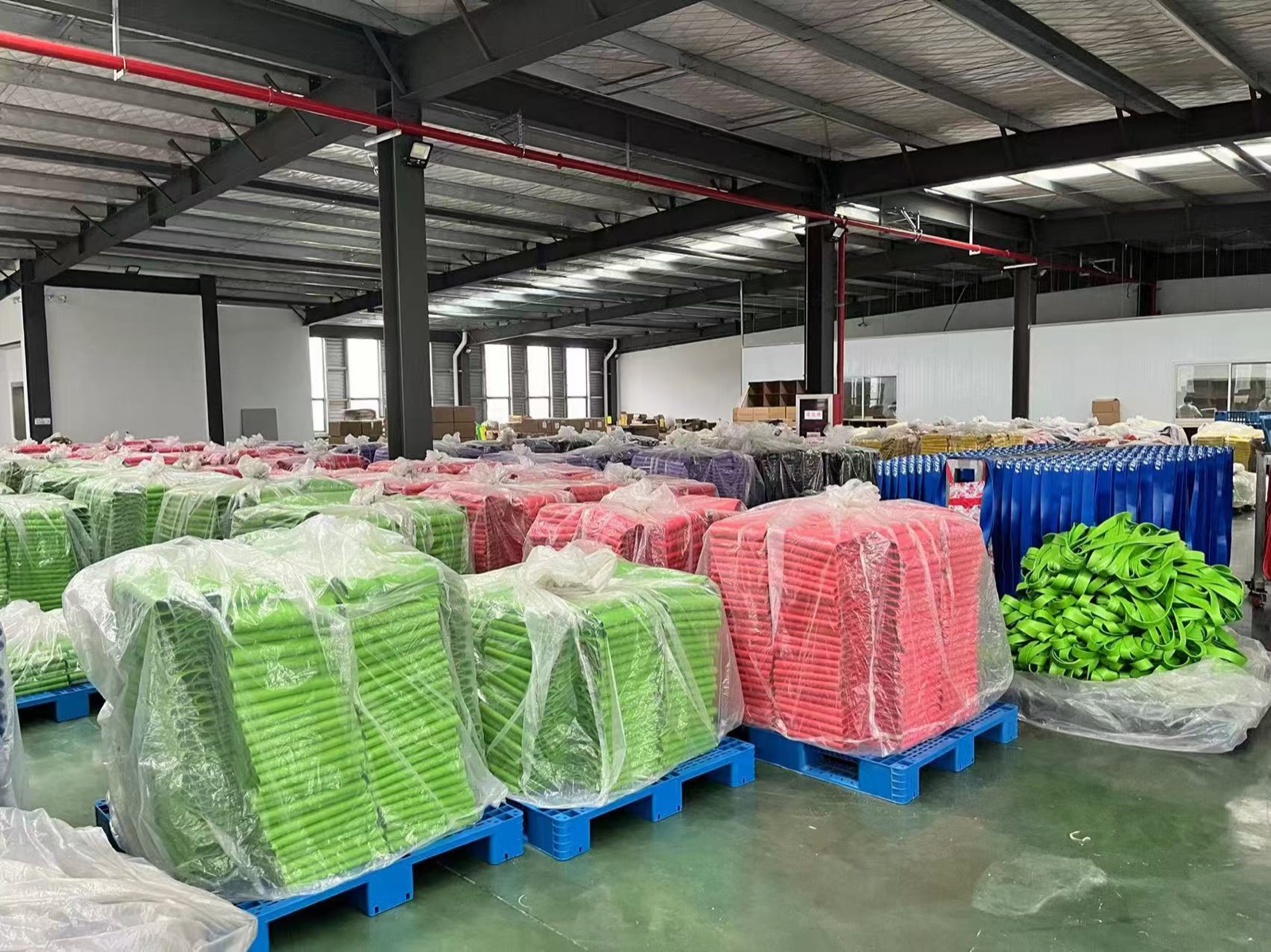
Step 2: Compounding & Color Mixing
Raw TPE pellets are transparent or off-white. To create colored bands, we mix master-batch color concentrates into the TPE at precise ratios. This step determines:
- The exact Pantone color of the finished band
- Color consistency across a production run of thousands of bands
- UV resistance (outdoor-rated colors get UV stabilizer additives)
- Opacity — some customers want translucent, others want solid opaque colors
Manufacturer insight: Color matching is one of the trickiest parts of band manufacturing. The same Pantone color can look different at different thicknesses — a 0.35mm mini loop and a 4.5mm pull-up band will appear different even with identical color concentrate ratios. We maintain a library of thickness-adjusted formulas for each color to ensure consistency across product lines.
Step 3: Extrusion
The colored TPE pellets are fed into an extruder — essentially a giant heated screw that melts the material and forces it through a precision die. The die's shape determines the band's cross-section (flat sheet, tube, or custom profile).
For flat resistance bands, the die produces a continuous sheet at a precisely controlled thickness. The thickness tolerance matters enormously: a variation of even 0.1mm changes the resistance by 10-15%. Our extrusion lines hold ±0.05mm tolerance — meaning every band in a batch provides the same resistance.
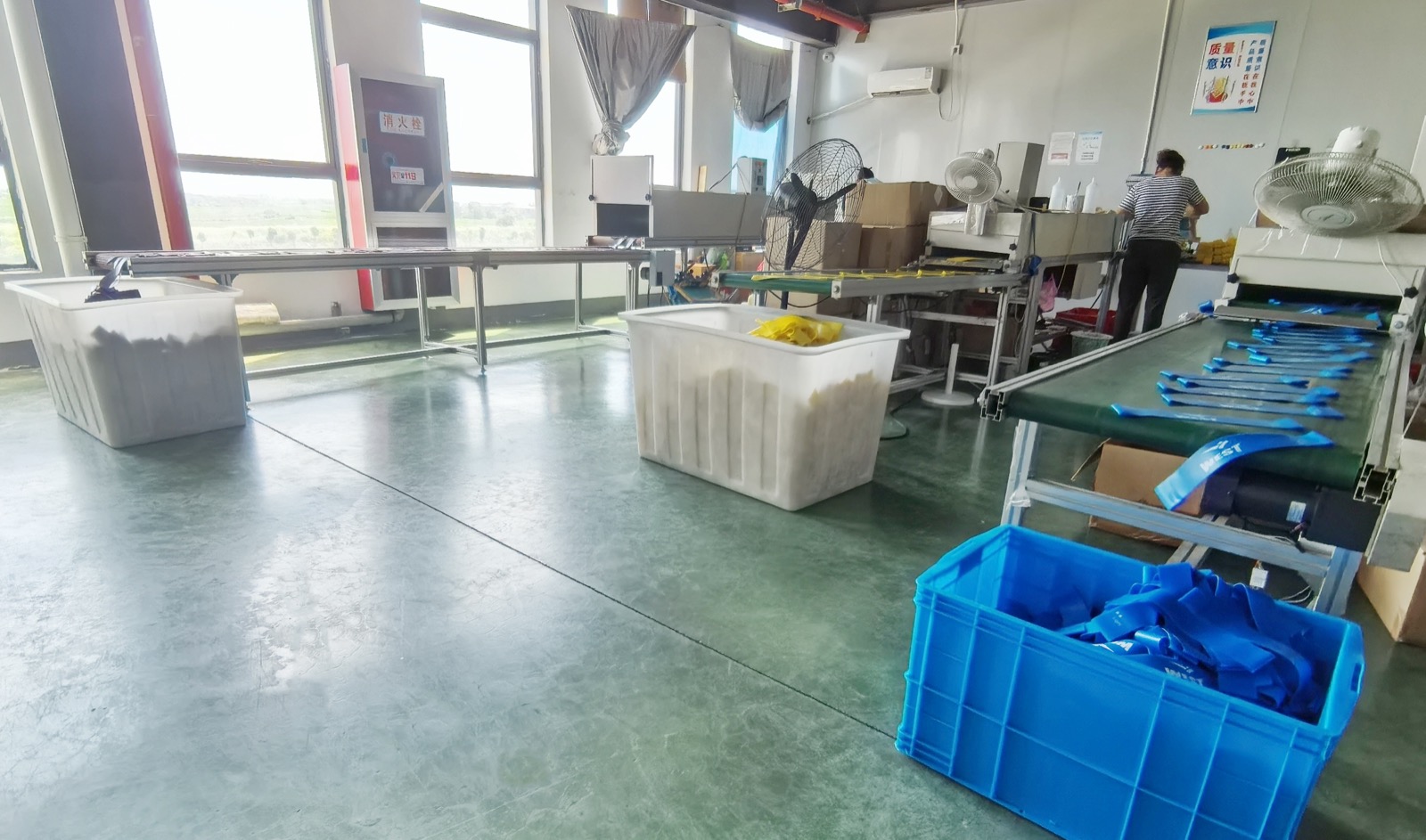
Step 4: Cooling & Cutting
The extruded sheet passes through a cooling tunnel (water bath or air cooling, depending on the TPE grade) and then to automated cutting machines. Pull-up bands are cut to length and heat-sealed into continuous loops. Mini loop bands are die-cut from the sheet.
Manufacturer insight: The heat-sealing step for loop bands is critical. A poor seal is the #1 failure point in resistance bands — it's where bands snap during use. We use ultrasonic welding that fuses the TPE at the molecular level, creating a joint that's actually stronger than the band material itself. You can test this: try to tear a TAICLET band at the seam versus the middle. The seam holds.
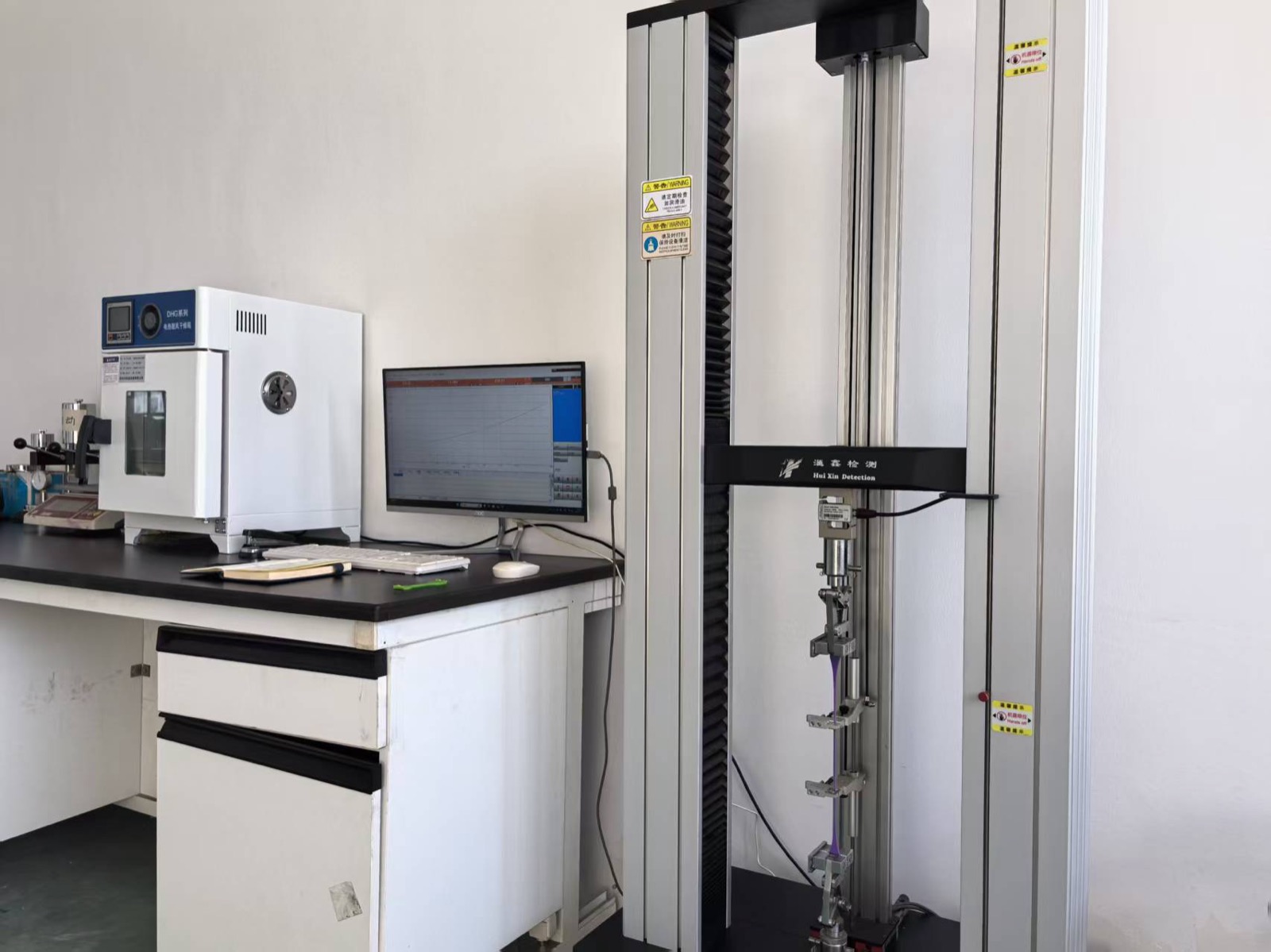
Step 5: Quality Testing
Every batch goes through five quality checkpoints:
- Visual inspection: Surface smoothness, color consistency, no bubbles or inclusions
- Dimensional check: Width, length, thickness measured with digital calipers against spec sheet
- Stretch test: Each band type is stretched to 300% and measured for recovery — it must return to within 2% of original length
- Durability cycling: Random samples from each batch undergo 30,000 continuous stretch cycles on an automated testing machine
- Seal strength test: For loop bands, pull force is applied specifically at the weld joint until failure — minimum threshold is 150% of rated resistance
Step 6: Logo Printing & Branding
For OEM/custom orders, bands move to the printing station. We use two printing methods:
Pad printing — for single or two-color logos on mini loops and smaller bands. Clean, precise, and cost-effective for runs of 5,000+.
Screen printing — for larger graphics, full product info, or multi-color designs on pull-up bands. Capable of fine detail and Pantone color matching.
Both methods use TPE-compatible inks that flex with the band and don't crack or peel during stretching. The ink is cured under UV light for instant bonding.
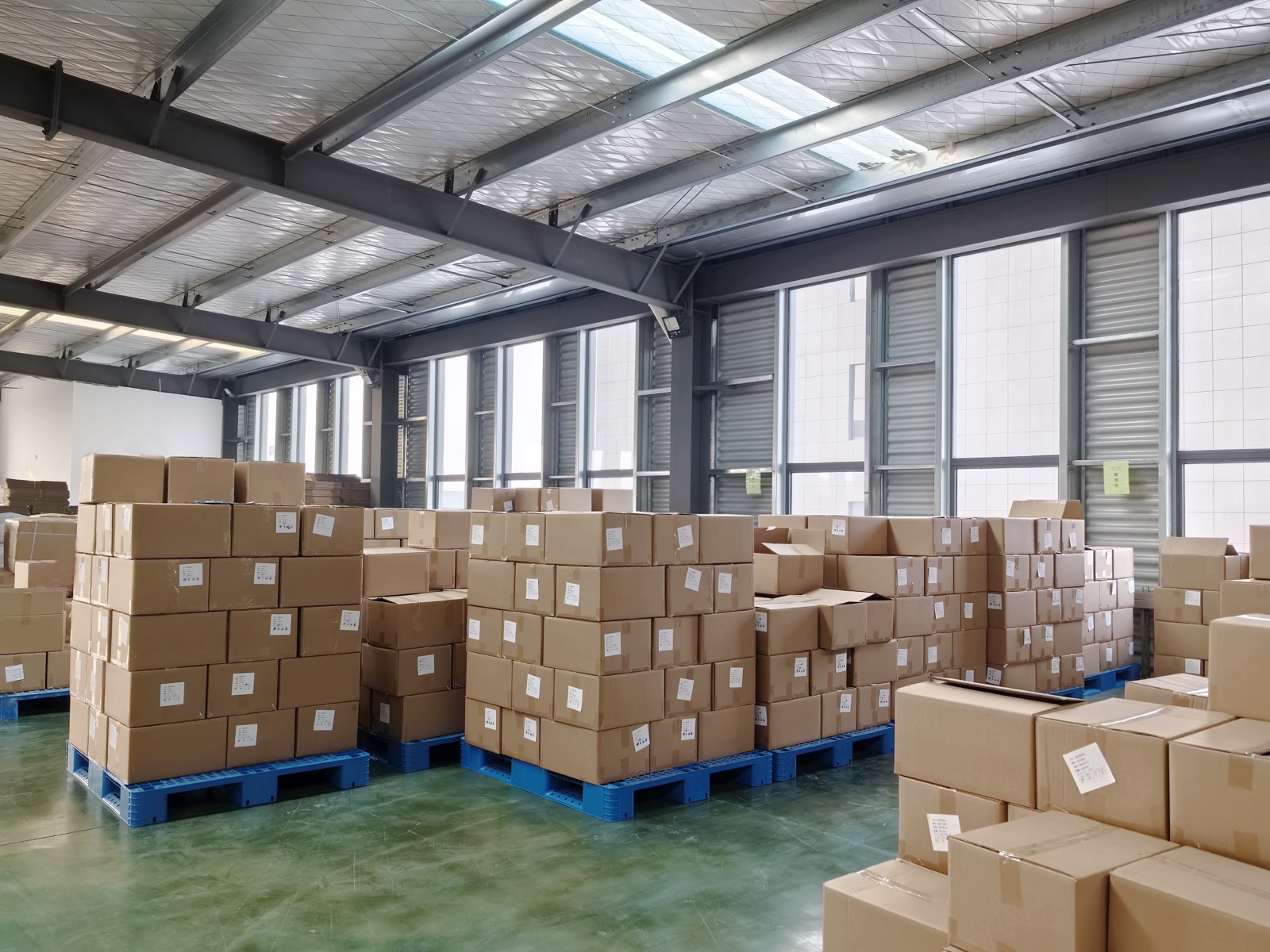
Step 7: Packaging & Shipping
Finished bands are packed according to customer specs: individual polybags, sets in retail boxes, bulk packaging in cartons, or custom retail-ready packaging with header cards and barcodes.
For Amazon FBA sellers, we can ship bands pre-packaged with FNSKU labels directly to Amazon fulfillment centers. For retail brands, we provide shelf-ready packaging with UPC codes.
What to Ask Your Manufacturer
Now that you understand the process, here are the questions that separate serious manufacturers from trading companies reselling someone else's bands:
- "Do you produce your own TPE compound?" — If yes, they control quality at the deepest level. If no, ask who their material supplier is.
- "What is your thickness tolerance?" — Anything better than ±0.1mm is good. ±0.05mm is excellent.
- "How do you seal loop bands?" — Ultrasonic welding > heat press > glue. Never accept glued seams.
- "Can I see your testing equipment?" — A real manufacturer will have stretch-cycle machines, calipers, and color measurement tools.
- "What's your annual production capacity?" — This tells you if they can scale with your growth. TAICLET produces 30M+ pieces annually.