You've decided to sell resistance bands. Good market choice — the global resistance band market is projected to reach $2.3 billion by 2028. But now you face a fundamental product decision: mini loop bands, pull-up bands, or both?
As a manufacturer that produces both types in volume, we see the sales data, return rates, and reorder patterns from hundreds of brands. Here's the unfiltered comparison.
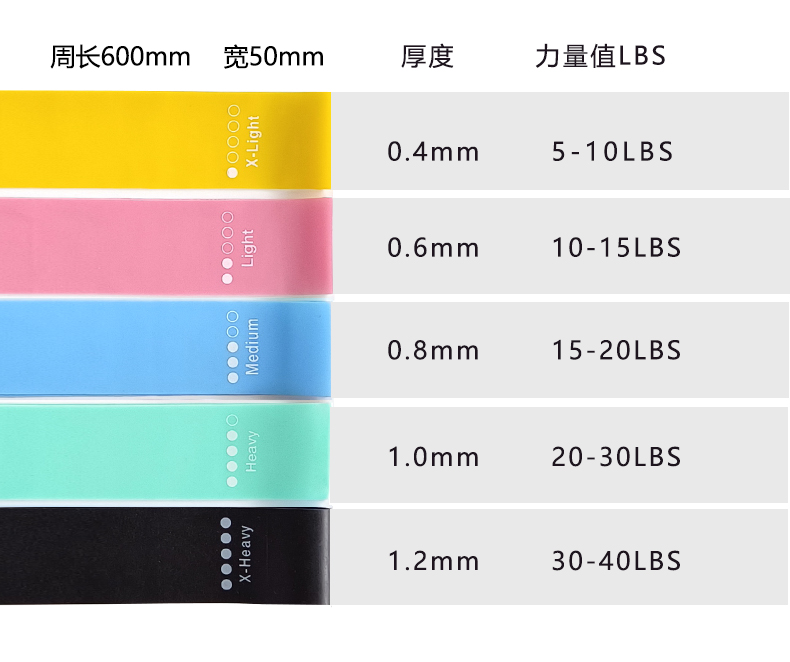
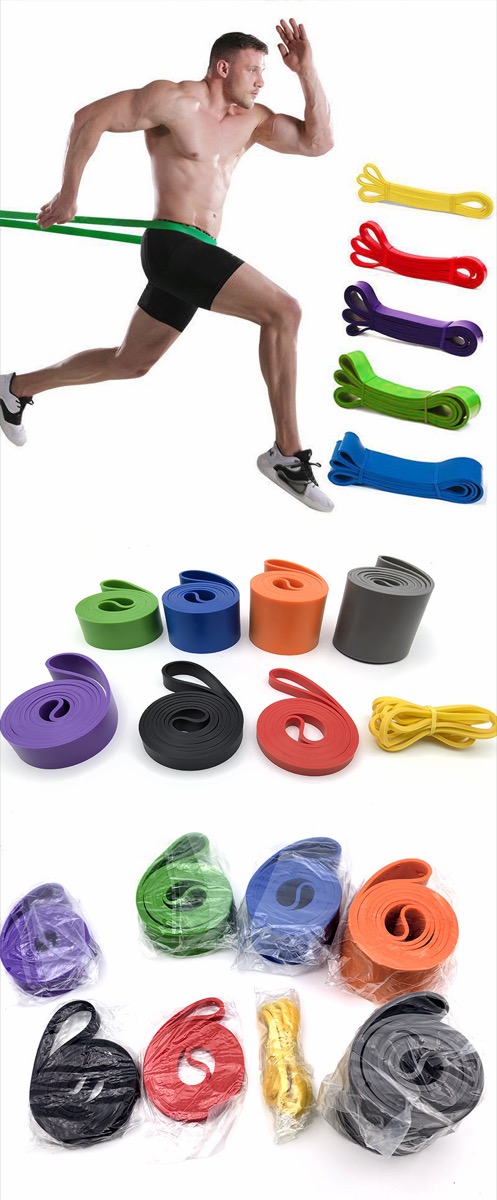
The Quick Comparison
| Factor | Mini Loop Bands | Pull-Up Bands |
|---|---|---|
| FOB unit cost | $0.15-0.40 | $0.80-2.50 |
| Typical retail price | $8-18 (set of 5) | $12-35 (single or set) |
| Gross margin | 65-80% | 55-70% |
| Amazon search volume | Higher (mini bands, loop bands) | Lower but more targeted |
| Target customer | Yoga, Pilates, rehab, home fitness | CrossFit, calisthenics, powerlifting |
| Repeat purchase | Higher (thinner = wears faster) | Lower (lasts 2-3 years) |
| Competition | Very high on Amazon | Moderate |
| MOQ investment | $150-400 (1,000 pcs) | $800-2,500 (1,000 pcs) |
| Shipping weight | ~15g each (very light) | ~100-500g each |
Mini Loop Bands: The Volume Play
Mini loops are the Toyota Corolla of resistance bands — they're not glamorous, but they sell in enormous quantities to a huge market.
Who buys them
- Home fitness beginners — the "I want to start working out but not go to a gym" crowd
- Yoga and Pilates studios — buy in bulk for class use
- Physical therapy clinics — single-use or patient-owned bands for rehab programs
- Schools and OTs — sensory chair bands and classroom movement programs
- Corporate wellness programs — desk exercise kits for remote workers
Manufacturer insight: The mini loop market has shifted dramatically toward sets rather than individual bands. Five years ago, clinics bought individual bands in specific resistance levels. Today, 80% of our mini loop orders are for 5-piece or 7-piece color-coded sets. The set format works for retail, Amazon, and wholesale equally.
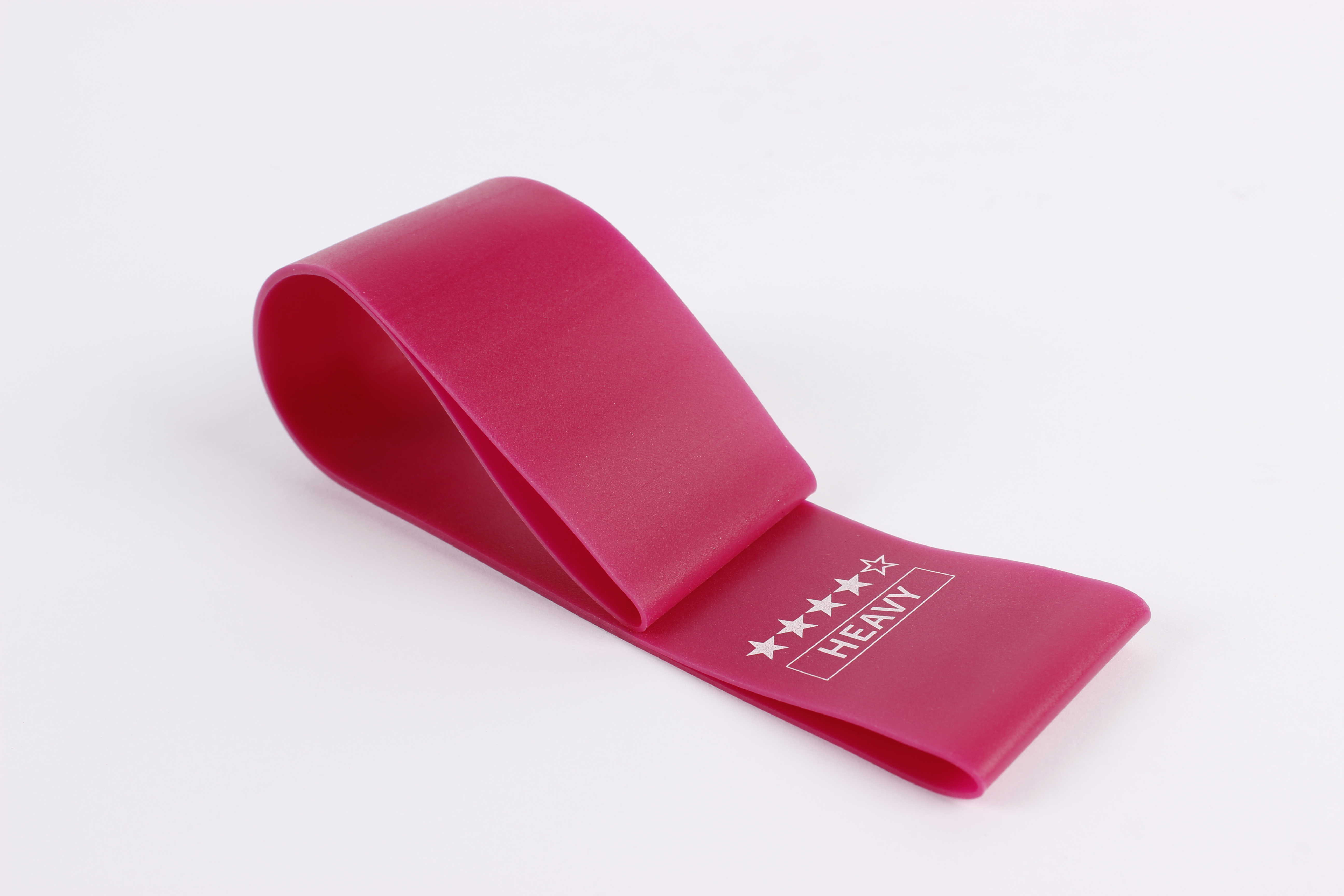
The economics
A 5-piece mini loop set costs approximately $0.75-1.50 FOB to manufacture (all 5 bands plus packaging). Retail price on Amazon is $10-18 for a basic set, $15-25 for a premium branded set. That's a 75-85% gross margin before Amazon fees.
The catch: the Amazon mini loop market is fiercely competitive. There are literally thousands of listings. To win, you need either a strong brand story, unique design (custom colors, textures), superior packaging, or a niche angle (latex-free for medical, chair bands for schools, prenatal fitness).
Pull-Up Bands: The Margin Play
Pull-up bands (also called power bands, resistance loops, or assist bands) are the premium segment. Fewer players, more serious customers, bigger orders.
Who buys them
- CrossFit gyms — 10-50 bands per gym, replaced annually
- Calisthenics athletes — pull-up assistance, progressive overload training
- Powerlifters — band-resisted squats, bench press, deadlifts
- Personal trainers — versatile tool for client sessions
- Rehabilitation facilities — progressive resistance therapy
Manufacturer insight: Pull-up band buyers are more brand-loyal than mini loop buyers. A CrossFit gym that finds a band they trust will reorder the same brand for years. This makes customer acquisition harder but lifetime value much higher. We see 40% of our pull-up band clients reorder within 12 months — versus 25% for mini loops.
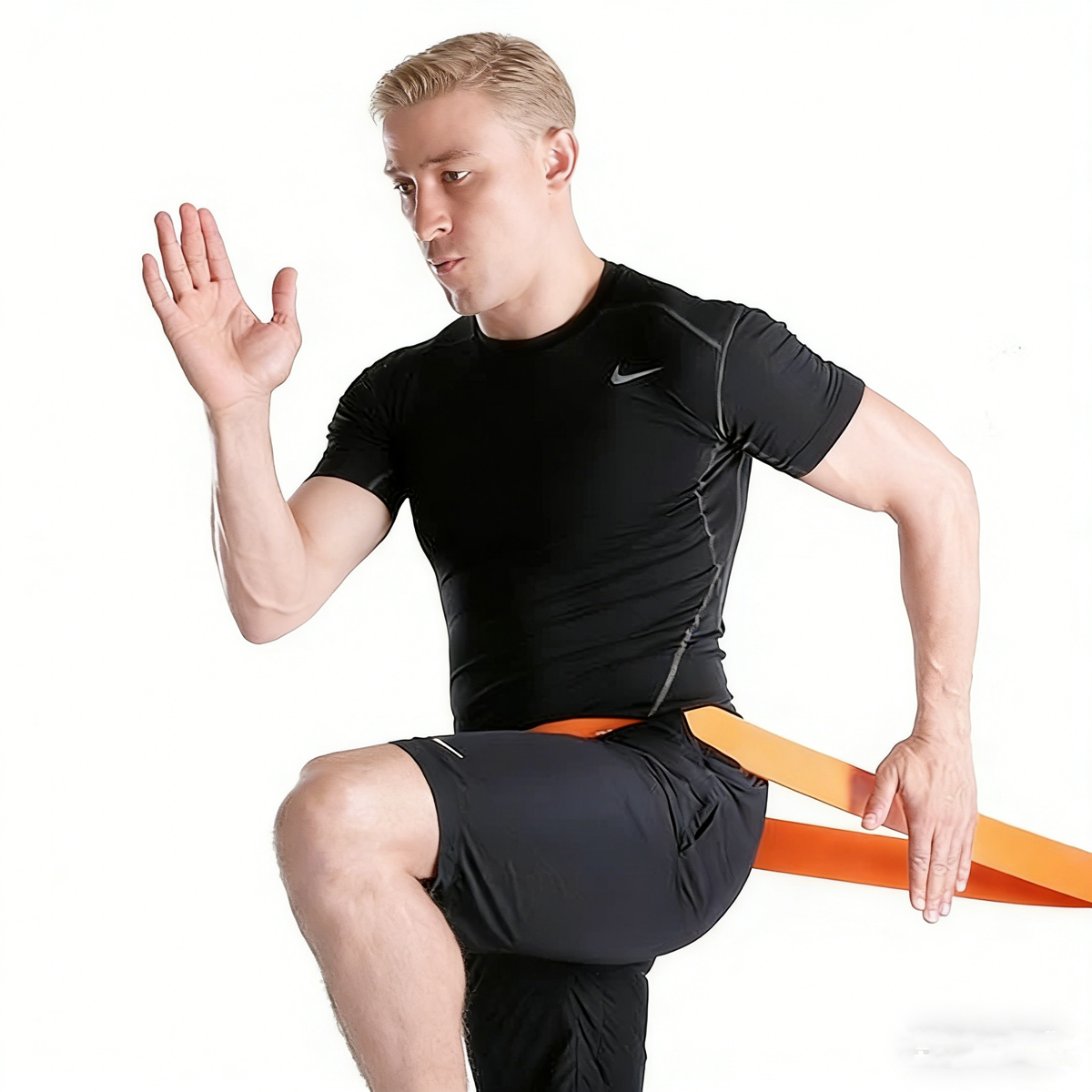
The economics
A single 41" pull-up band costs $0.80-2.50 FOB depending on width (resistance level). A 4-band set costs $4-8 FOB to manufacture. Retail price is $25-45 for a quality set. Margin is lower percentage-wise than mini loops (55-70%) but higher in absolute dollars per sale.
The advantage: far less competition on Amazon and in retail. A well-positioned pull-up band brand can rank on page 1 with modest PPC spend because there are fewer established players.
Our Recommendation by Business Type
If you're a new DTC brand on Amazon
Start with mini loops. Lower upfront investment (you can test the market with $500-1,000), faster inventory turns, and the set format is perfect for Amazon's algorithm. Focus on a niche: latex-free for allergies, macaron colors for the Instagram crowd, or classroom chair bands for the education market.
If you're a gym or studio buying for your space
Buy pull-up bands first. They're more versatile for guided training, last longer, and your members expect to see them. Add mini loops later for group classes and take-home programs.
If you're a physical therapy clinic
Both, but latex-free is mandatory. Mini loops for patient home exercises (they can keep them), pull-up bands for in-clinic supervised therapy. Always stock a range of resistance levels.
If you're an established fitness brand expanding your product line
Start with whichever fills a gap in your catalog. If you already sell dumbbells and kettlebells (strength-focused audience), pull-up bands are the natural addition. If you sell yoga mats and blocks (flexibility-focused audience), mini loops fit better.
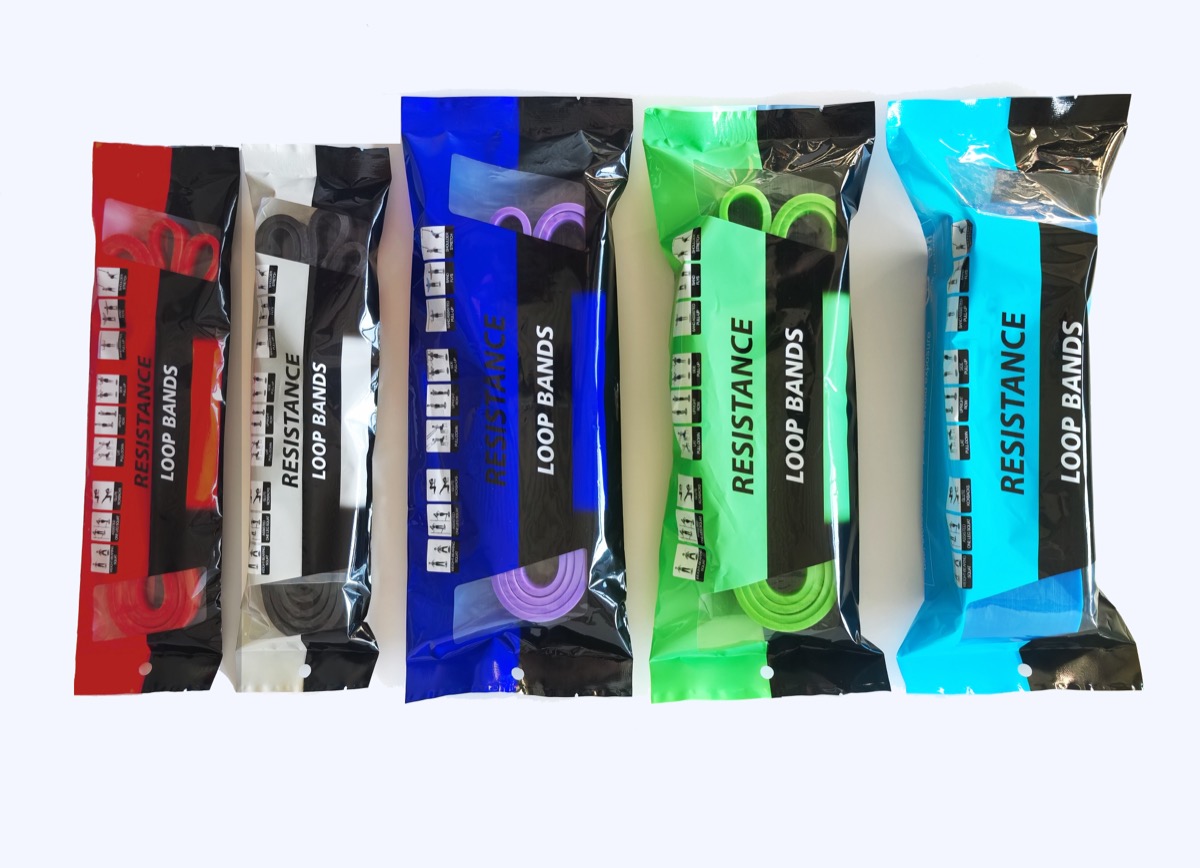
The "Why Not Both" Strategy
The most successful resistance band brands in our customer base sell both types. Here's the playbook:
- Month 1-3: Launch with a 5-piece mini loop set in unique colors. Test the market, build reviews, optimize your listing.
- Month 4-6: Once mini loops are profitable, launch a 4-band pull-up set. Cross-sell to your existing customer base.
- Month 7-12: Add a "complete resistance band kit" that bundles both types plus a carrying bag and exercise guide. This becomes your highest-margin SKU.
- Year 2: Expand into accessories — door anchors, handles, ankle straps. These have the highest margins (90%+) and increase your average order value.
Manufacturer insight: We offer mixed-product orders for brands that want to source both types in one shipment. This saves on logistics and lets you negotiate better per-unit pricing across your full product range. A combined order of 3,000 mini loops + 1,000 pull-up bands gets better pricing than two separate orders.